
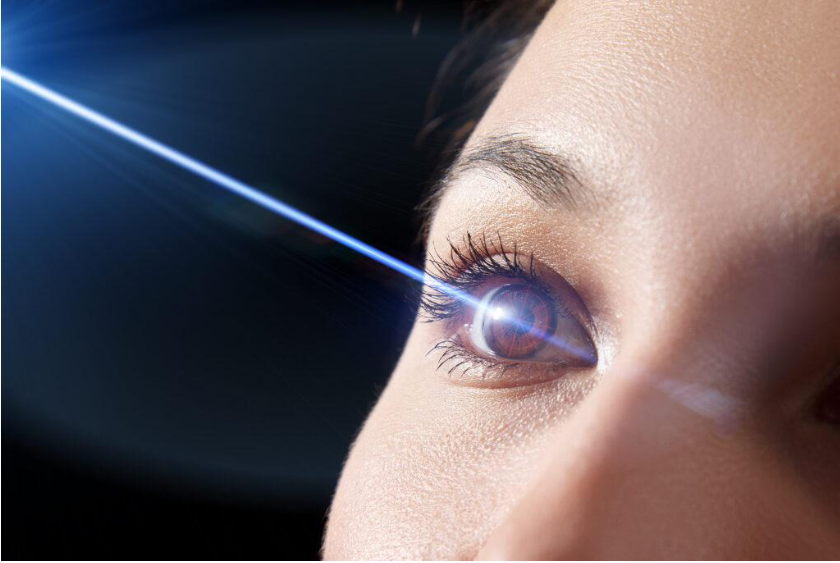
6 📌 Introduction If you are tired of wearing glasses or contact lenses, LASIK eye surgery can be a life-changing solution. It is a safe, quick, and highly effective procedure that corrects vision problems like myopia (near-sightedness), hyperopia (far-sightedness), and astigmatism. With advanced technology, LASIK has become one of the most popular vision correction procedures worldwide. 👀 What is LASIK Eye Surgery? LASIK (Laser-Assisted In Situ Keratomileusis) is a laser eye surgery that reshapes the cornea (the front part of the eye) to improve how light is focused on the retina, resulting in clearer vision. ⚙️ How LASIK Works (Step-by-Step) 7 👉 The entire procedure takes 10–15 minutes for both eyes. ✅ Benefits of LASIK Surgery ⚠️ Risks & Side Effects 5 Although LASIK is safe, some temporary side effects may include: 👉 These usually improve within a few weeks. 👨⚕️ Who is Eligible for LASIK? You are a good candidate if: 🚫 Not suitable for: 💰 LASIK Surgery Cost in India 👉 Cost depends on technology, clinic, and doctor expertise. ⏳ Recovery After LASIK 👉 Full recovery usually takes 1–2 weeks 🛡️ Precautions After Surgery ❓ FAQs (Frequently Asked Questions) Q1. Is LASIK surgery painful? No, it is painless as numbing eye drops are used. Q2. Is LASIK permanent? Yes, results are long-lasting, but slight changes can occur with age. Q3. Can both eyes be treated on the same day? Yes, LASIK is usually performed on both eyes in one session. 📢 Conclusion LASIK eye surgery is a safe and effective solution for people who want to live a life free from glasses. With modern advancements, it offers quick recovery and excellent results. 👉 If you’re considering LASIK, consult an experienced eye specialist to determine if you are the right candidate. 📍 Book Your Consultation Want clear vision without glasses?Get expert advice and advanced LASIK treatment today. 👉 Book your eye checkup now!
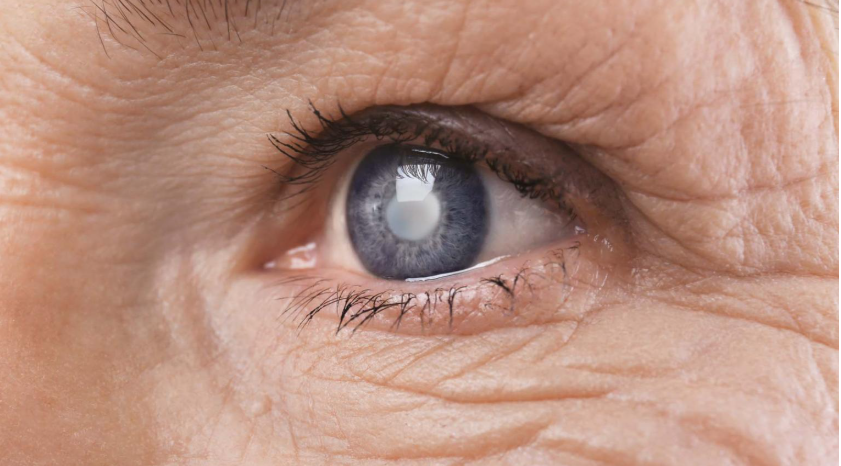
Cataract (Motiyabind): Symptoms, Causes & Modern Treatment Options
7 📌 Introduction Cataract, commonly known as Motiyabind, is one of the leading causes of vision problems, especially among older adults. It develops slowly and can significantly affect your daily life if left untreated. The good news is that cataract is completely treatable with modern eye surgery, restoring clear vision safely and effectively. 👀 What is Cataract? A cataract occurs when the natural lens of the eye becomes cloudy, leading to blurred or dim vision. Normally, the lens is clear and helps focus light on the retina. When it becomes cloudy, it blocks or scatters light, making vision unclear. ⚠️ Common Symptoms of Cataract 6 You may notice the following symptoms: 📱 Causes of Cataract 5 Cataracts can develop due to several reasons: 1. Aging (Most Common) Natural aging causes proteins in the lens to break down and clump together. 2. Diabetes High blood sugar levels increase the risk of early cataract formation. 3. Eye Injury or Surgery Trauma to the eye can lead to cataract development. 4. Excessive UV Exposure Long-term exposure to sunlight without protection damages the lens. 5. Lifestyle Factors Smoking, alcohol consumption, and poor diet can contribute. 🔍 Types of Cataract 🏥 Modern Cataract Treatment Options 7 ✅ 1. Phacoemulsification (Phaco Surgery) ✅ 2. Laser Cataract Surgery ✅ 3. Intraocular Lens (IOL) Options 💰 Cataract Surgery Cost in India The cost varies depending on the lens type and hospital: 👉 Prices may vary based on city, clinic, and technology used. ⏳ Recovery After Cataract Surgery 🛡️ Prevention Tips While cataracts cannot always be prevented, you can reduce risk: 👨⚕️ When to See an Eye Doctor Consult an eye specialist if: 👉 Early consultation ensures timely treatment and better outcomes. ❓ FAQs (Frequently Asked Questions) Q1. Is cataract surgery painful? No, it is a painless procedure performed under local anesthesia. Q2. Can cataract come back after surgery? No, cataract does not return. However, slight cloudiness (PCO) may occur and is easily treatable with laser. Q3. Is surgery the only option? Yes, once cataract affects vision significantly, surgery is the only effective treatment. 📢 Conclusion Cataract is a common but highly treatable eye condition. With modern surgical techniques, patients can regain clear vision quickly and safely. 👉 Don’t ignore early symptoms—timely treatment can improve your quality of life. 📍 Book Your Consultation Looking for the Best Cataract Surgery?Get expert diagnosis and advanced treatment today. 👉 Book your eye checkup now and restore clear vision!

Effects of Mobile & Laptop Use on Your Eyes
📌 Introduction In today’s digital world, most people spend hours in front of screens—whether it’s a mobile phone, laptop, tablet, or desktop. While technology has made life easier, it has also introduced a common eye problem known as Computer Vision Syndrome (CVS) or Digital Eye Strain. This condition affects people of all ages and can lead to discomfort, reduced productivity, and long-term eye issues if ignored. 👀 What is Computer Vision Syndrome? Computer Vision Syndrome (CVS) refers to a group of eye and vision-related problems caused by prolonged use of digital screens. It occurs when your eyes are exposed to screens for extended periods without proper breaks or care. ⚠️ Common Symptoms of Digital Eye Strain 6 You may be experiencing CVS if you notice: 📱 Causes of Computer Vision Syndrome 7 Several factors contribute to digital eye strain: 1. Prolonged Screen Time Staring at screens for long hours without breaks puts stress on your eye muscles. 2. Blue Light Exposure Digital devices emit blue light, which can cause eye fatigue and disrupt sleep patterns. 3. Reduced Blinking People tend to blink less while using screens, leading to dry eyes. 4. Poor Lighting & Glare Bright screens or reflections increase strain on your eyes. 5. Improper Viewing Distance Holding devices too close or sitting too far from screens can affect focus. 🧠 How Digital Screens Affect Your Eyes 🛡️ Prevention Tips (Best Practices) 6 Follow these simple yet powerful tips: ✅ 1. Follow the 20-20-20 Rule Every 20 minutes, look at something 20 feet away for at least 20 seconds. ✅ 2. Adjust Screen Settings ✅ 3. Maintain Proper Distance ✅ 4. Blink More Often Consciously blink to keep your eyes moist. ✅ 5. Use Artificial Tears Lubricating eye drops can help reduce dryness (after doctor consultation). ✅ 6. Improve Lighting Avoid glare and ensure proper room lighting. ✅ 7. Take Regular Breaks Avoid continuous screen exposure for long durations. 👨⚕️ When to See an Eye Doctor Consult an eye specialist if: Early diagnosis can prevent long-term eye damage. 🏥 Treatment Options Depending on severity, doctors may recommend: ❓ FAQs (Frequently Asked Questions) Q1. Is Computer Vision Syndrome permanent? No, it is usually temporary and improves with proper care and reduced screen time. Q2. Can children get digital eye strain? Yes, children using mobile phones or tablets for long hours are also at risk. Q3. Do blue light glasses really help? Yes, they can reduce strain and improve comfort during screen use. 📢 Conclusion Computer Vision Syndrome is becoming increasingly common due to excessive screen use. However, with simple lifestyle changes and proper eye care, it can be effectively managed. 👉 If you are experiencing symptoms, don’t ignore them—take breaks, follow healthy habits, and consult an eye doctor when needed.