


7
📌 Introduction
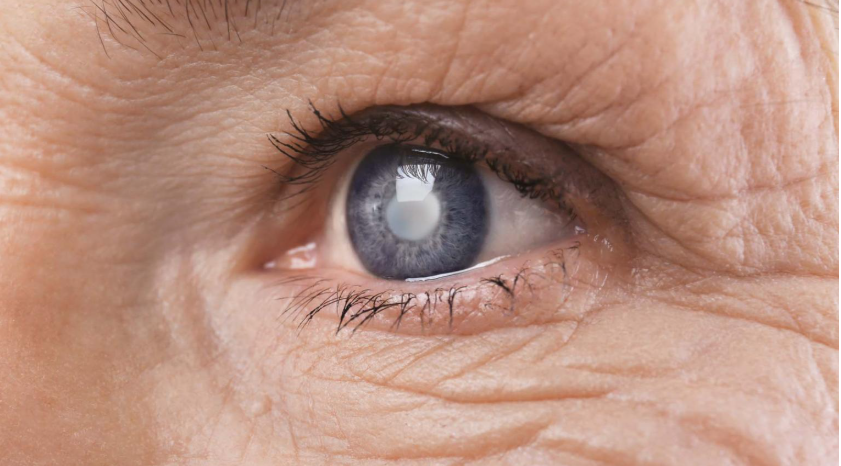
Cataract, commonly known as Motiyabind, is one of the leading causes of vision problems, especially among older adults. It develops slowly and can significantly affect your daily life if left untreated.
The good news is that cataract is completely treatable with modern eye surgery, restoring clear vision safely and effectively.
👀 What is Cataract?
A cataract occurs when the natural lens of the eye becomes cloudy, leading to blurred or dim vision. Normally, the lens is clear and helps focus light on the retina. When it becomes cloudy, it blocks or scatters light, making vision unclear.
⚠️ Common Symptoms of Cataract


6
You may notice the following symptoms:
- 🌫️ Blurred or cloudy vision
- 🌙 Difficulty seeing at night
- 💡 Sensitivity to light and glare
- 🚗 Halos around lights (especially while driving)
- 🎨 Fading or yellowing of colors
- 👓 Frequent changes in eyeglass prescription
- 📖 Difficulty reading or focusing
📱 Causes of Cataract


5
Cataracts can develop due to several reasons:
1. Aging (Most Common)
Natural aging causes proteins in the lens to break down and clump together.
2. Diabetes
High blood sugar levels increase the risk of early cataract formation.
3. Eye Injury or Surgery
Trauma to the eye can lead to cataract development.
4. Excessive UV Exposure
Long-term exposure to sunlight without protection damages the lens.
5. Lifestyle Factors
Smoking, alcohol consumption, and poor diet can contribute.
🔍 Types of Cataract
- Nuclear Cataract – Forms in the center of the lens
- Cortical Cataract – Affects the edges of the lens
- Posterior Subcapsular Cataract – Develops at the back of the lens (faster progression)
🏥 Modern Cataract Treatment Options


7
✅ 1. Phacoemulsification (Phaco Surgery)
- Most common and advanced method
- Uses ultrasound waves to break the cloudy lens
- A new artificial lens (IOL) is implanted
✅ 2. Laser Cataract Surgery
- Blade-free, highly precise
- Faster recovery and improved accuracy
✅ 3. Intraocular Lens (IOL) Options
- Monofocal lenses (clear vision at one distance)
- Multifocal lenses (near + far vision)
- Toric lenses (for astigmatism correction)
💰 Cataract Surgery Cost in India
The cost varies depending on the lens type and hospital:
- Basic Surgery: ₹10,000 – ₹25,000 per eye
- Advanced (Phaco/Laser): ₹30,000 – ₹1,00,000+ per eye
👉 Prices may vary based on city, clinic, and technology used.
⏳ Recovery After Cataract Surgery
- ⏱️ Surgery time: 15–30 minutes
- 👁️ Vision improves within a few days
- 🛌 Full recovery: 2–4 weeks
- 💊 Eye drops are prescribed for healing
🛡️ Prevention Tips
While cataracts cannot always be prevented, you can reduce risk:
- 😎 Wear UV-protected sunglasses
- 🥗 Eat a healthy diet rich in vitamins
- 🚭 Avoid smoking
- 🧪 Manage diabetes properly
- 👨⚕️ Get regular eye checkups
👨⚕️ When to See an Eye Doctor
Consult an eye specialist if:
- Vision becomes blurry or cloudy
- You face difficulty in night driving
- Glasses no longer improve vision
- Light sensitivity increases
👉 Early consultation ensures timely treatment and better outcomes.
❓ FAQs (Frequently Asked Questions)
Q1. Is cataract surgery painful?
No, it is a painless procedure performed under local anesthesia.
Q2. Can cataract come back after surgery?
No, cataract does not return. However, slight cloudiness (PCO) may occur and is easily treatable with laser.
Q3. Is surgery the only option?
Yes, once cataract affects vision significantly, surgery is the only effective treatment.
📢 Conclusion
Cataract is a common but highly treatable eye condition. With modern surgical techniques, patients can regain clear vision quickly and safely.
👉 Don’t ignore early symptoms—timely treatment can improve your quality of life.
📍 Book Your Consultation
Looking for the Best Cataract Surgery?
Get expert diagnosis and advanced treatment today.
👉 Book your eye checkup now and restore clear vision!